

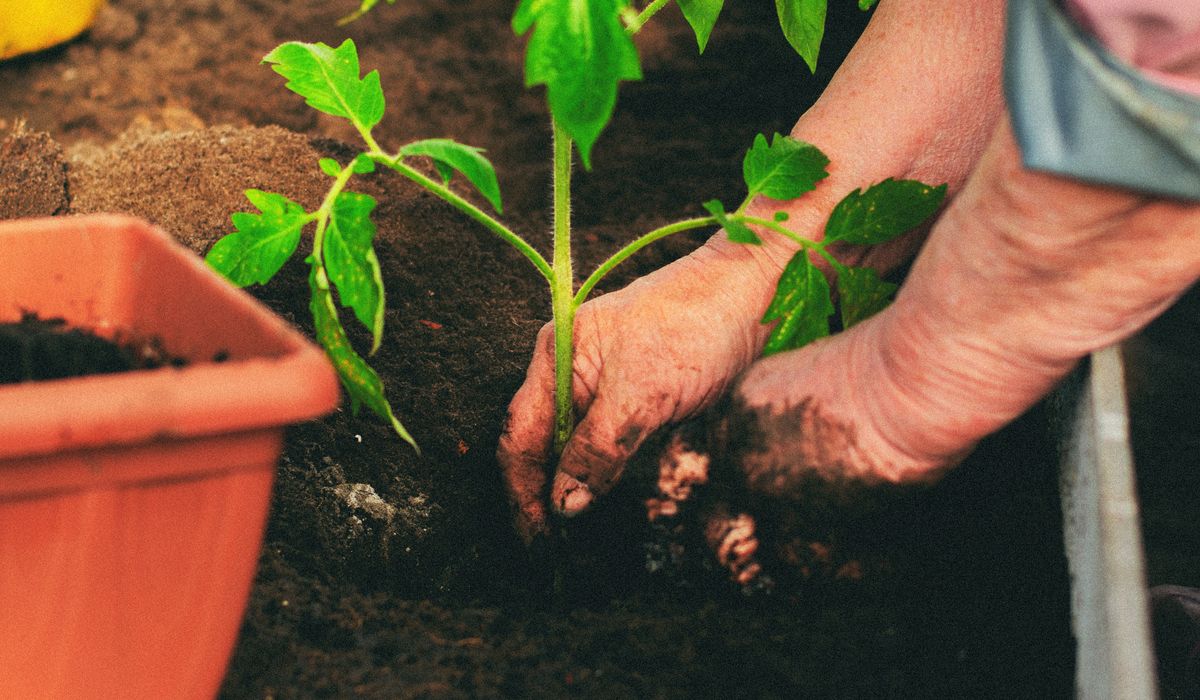
Why a Small Patio Can Still Be Productive
A couple of square metres of paving, a balcony rail or a sheltered back step is enough to grow a surprising amount of food. The trick is to stop thinking about what you would plant in a raised bed and start thinking about what actually performs well when its roots are confined to a pot. Container growing gives you control over the compost, the drainage and the position, which means you can pamper heat-loving crops through a British summer and move them under cover when the weather turns. What it does not give you is unlimited root room or a reserve of soil moisture, so choosing compact varieties is half the battle won before you even fill a bag with compost.
Get the Pot and Compost Right First
Most container failures come down to two things: pots that are too small and compost that has been exhausted by midsummer. As a rule of thumb, give a bush tomato at least 10 litres, a cordon tomato 15 to 20 litres, a pepper or chilli 5 to 7 litres, and salad leaves a shallow trough around 15 centimetres deep. Terracotta looks lovely but dries out fast; glazed ceramic, plastic or fabric grow bags hold moisture far better on a hot day.
Use a peat-free multipurpose compost with some loam-based John Innes mixed through it — roughly three parts multipurpose to one part John Innes gives you moisture retention plus a bit of weight to stop tall plants toppling. Always check that containers have drainage holes, and raise them on pot feet or broken tiles so water can escape freely rather than pooling underneath.
Compact Tomatoes That Earn Their Space
Tomatoes are the crop most people want, and they are also the crop most often squeezed into a pot that is far too mean for them. Bush, or determinate, varieties are the answer for small spaces because they stop growing on their own and do not need pinching out or tall supports.
- 'Tumbler' — a proper trailing bush that spills over the rim of a hanging basket or tall pot, cropping sweet cherry fruit without staking.
- 'Totem' — a compact bush with heavy trusses of medium fruit, ideal in a 12-litre pot against a sunny wall.
- 'Mountain Magic' and 'Crimson Crush' — blight-resistant varieties that are worth their weight in a wet UK August, and both cope well with container life.
- 'Red Alert' — early, reliable and genuinely small, so it suits a windowsill-sized patio.
If you want a cordon variety for flavour, choose a cherry type and grow it as a single stem up a cane, pinching out the sideshoots weekly. Feed with a high-potash tomato fertiliser once the first truss has set, and water consistently — erratic watering is what causes split skins and blossom end rot.
Peppers and Chillies for a Sunny Wall
Peppers love the reflected heat of a south-facing wall or a warm patio corner, and they are far happier in a pot than in open ground in most of the UK. Compact varieties crop earlier and need less height, which makes them perfect for a windowsill or a step.
- 'Apache' — a small, bushy chilli that produces dozens of fiery red fruits on a plant under 45 centimetres tall.
- 'Prairie Fire' — early ripening and very ornamental, with fruits that move from cream to orange to red.
- 'Mohawk' — a compact sweet pepper with small, thick-walled orange fruits, good for stuffing.
- 'Basket of Fire' — a trailing chilli that looks superb tumbling from a hanging pot and crops right into autumn.
Start peppers indoors in February or March, pot them on as they grow, and only move them outside once night temperatures are reliably above 10°C. A cloche or fleece in early summer makes a real difference to how quickly they establish.
Salad Leaves: The Fastest Return on Your Space
Cut-and-come-again salad is the most rewarding thing to grow in a confined space because you can harvest within four to six weeks and keep picking for months. Sow thinly into shallow troughs and treat them as a crop rather than a garnish.
- Rocket — sow little and often, as it bolts quickly in midsummer heat; choose a wild rocket for a longer season.
- 'Salad Bowl' and 'Lollo Rossa' — loose-leaf lettuces that regrow after cutting and tolerate partial shade.
- Mizuna and pak choi — quick, peppery and happy in cooler weather, so ideal for a spring or September sowing.
- 'Cherry Belle' radish and spring onions — ready in weeks and perfect for filling gaps between slower crops.
Salad leaves are the one group here that actively prefers a little shade, so a north-east-facing patio is not a write-off. Keep the compost consistently damp and sow a fresh pinch every fortnight to avoid a glut followed by a famine.
Watering, Feeding and Weather Tactics
In a British heatwave, a pot can dry out in a single afternoon. Water in the morning, check again in the evening, and consider a self-watering container or a thick gravel mulch to slow evaporation. Group pots together so they shade one another's compost, and move them slightly if a spell of grey weather makes them look sulky.
Feeding matters more than most beginners expect, because compost nutrients are largely spent after six weeks. Start liquid feeding tomatoes and peppers when the first flowers set, and give salad leaves a weak general feed every fortnight. Keep an old fleece to hand for cold nights in late May and early September, and be ready to bring tender crops under cover when autumn gales arrive. With a handful of well-chosen varieties and a bit of daily attention, even the smallest patio will keep you in tomatoes, chillies and salad right through to October.





John Doe
14 January, 2022Having no content in post should have adverse..
Chauffina Carr
10 April, 2022We use these tests all time! Killer stuff!
Jim Séchen
16 July, 2022Thanks for all the comments, everyone!